
Richmond County Sex Offender Checks
The North Carolina Sex Offender and Public Protection Registry is the main public channel for Richmond County. NCSBI maintains it with data entered by all county sheriffs. Richmond County registrants report to the sheriff, while the statewide portal publishes qualifying information for community awareness.
A search can start with a name, Richmond County filter, city, ZIP code, nearby address, coordinates, or a registration number. Search more than one way if the spelling or town is uncertain. The official registry home shows the statewide starting point.
The state entry point keeps a Richmond County lookup on the primary government source rather than a copied list.
Richmond Registry Search Modes Compared
Each registry search mode answers a different safety question. A county filter finds public entries tied to Richmond County without requiring a city guess. A name search helps when the person is known. An address search is better for an area, while a registration number is the strongest exact registry key. Coordinate search can help with a location that lacks a clean street description.
| Mode | Best use | Key limit |
|---|---|---|
| County or city | Browse Richmond County, Rockingham, Hamlet, or another locality | Locality data can change |
| Name | Review a known name and aliases | Names are not unique |
| Nearby address | Community awareness around a place | Check the mapped address and live radius |
| Coordinates | Search by latitude and longitude | Input accuracy matters |
| Registration number | Open an exact registry identity | Requires the identifier |
The official name and place interface illustrates the local search controls.
Trying both Richmond County and a city can reveal why a broad county search is safer than one locality guess.
Note: A registration number is a stronger search key than a shared name, but the full official profile still needs review.
North Carolina Sex Offender Registry Searches
The registry covers public registrants under Article 27A. It is not a complete list of every person who committed a sexual offense. Some juvenile records described in the official FAQ do not appear on the public site, and not every offense requires registration. Data can also change quickly.
- Open the official NCSBI registry and choose the search mode that fits the known facts.
- Use a name, Richmond County, city, ZIP code, nearby address, coordinates, or registration number.
- Compare aliases, status, address, physical details, and dates across possible profiles.
- Open the full profile and read its details; contact the Richmond County Sheriff with specifics if an entry seems wrong or a possible registrant appears missing.
| Field or control | Type | Required | Notes |
|---|---|---|---|
| Search type | Tabs or links | Yes | Address, name/place, coordinates, or registration number |
| Last name | Text | Conditional | Name search |
| First name | Text | No | Narrows a name search |
| City or ZIP | Text or dropdown | No | Local search narrowing |
| County | Dropdown where offered | No | Select Richmond |
| Address and radius | Text and dropdown | Conditional | Use only radius choices shown live |
| Latitude and longitude | Numeric text | Conditional | Coordinate search |
| Registration number | Text | Conditional | Exact registry identifier |
| Email alerts | Signup link | No | Area or address notifications where offered |
Richmond Address Search and Alerts
Use proximity search for a home, school route, park area, or other place tied to personal and family safety. Enter the address as the live form requests, review the selected radius, and confirm that the map pin is placed on the intended Richmond County location. A pin is a search aid, not a legal boundary finding.
The official nearby-address search presents the available location controls.
The address layer supports community awareness, while the full profile remains the place to verify status and source details.
Official registry email alerts can notify a subscriber about changes around a specified area or address when the portal offers that service. VINELink serves a different purpose: custody or status notifications. An alert from one system should not be read as a statement from the other.
Note: Registry email alerts track area information, while VINELink alerts concern custody or status changes.
Registry Profiles: What They Show
A public profile combines identity, location, status, and qualifying-offense fields authorized for release. Availability varies. The registry warns that names, dates of birth, and photographs are not unique identifiers. Only fingerprints can confirm identity.
| Name and aliases | Registered name and other listed names |
|---|---|
| Registry identity | Registration number and current status |
| Physical description | Photograph, sex, race, age or birth date, height, weight, hair, eyes, and marks where public |
| Address | Registered address and Richmond County designation |
| Verification | Registration and verification dates where shown |
| Qualifying offense | Description, conviction date, and jurisdiction |
| Other categories | Vehicle, school, work, or online identifiers where collected and authorized |
Do not infer facts from a blank field. The registry may not collect or publish every category for each Richmond County entry.
Richmond Registry Names Are Not Proof
A matching name or image is a lead, not positive identification. Compare the registration number, aliases, physical description, conviction jurisdiction, status, and dates. Even several matching public fields do not replace fingerprint comparison. This is especially important in a county where repeated family names and cross-county cases can produce false matches.
The NCSBI registry FAQ explains coverage, data limits, reporting, and safe use.
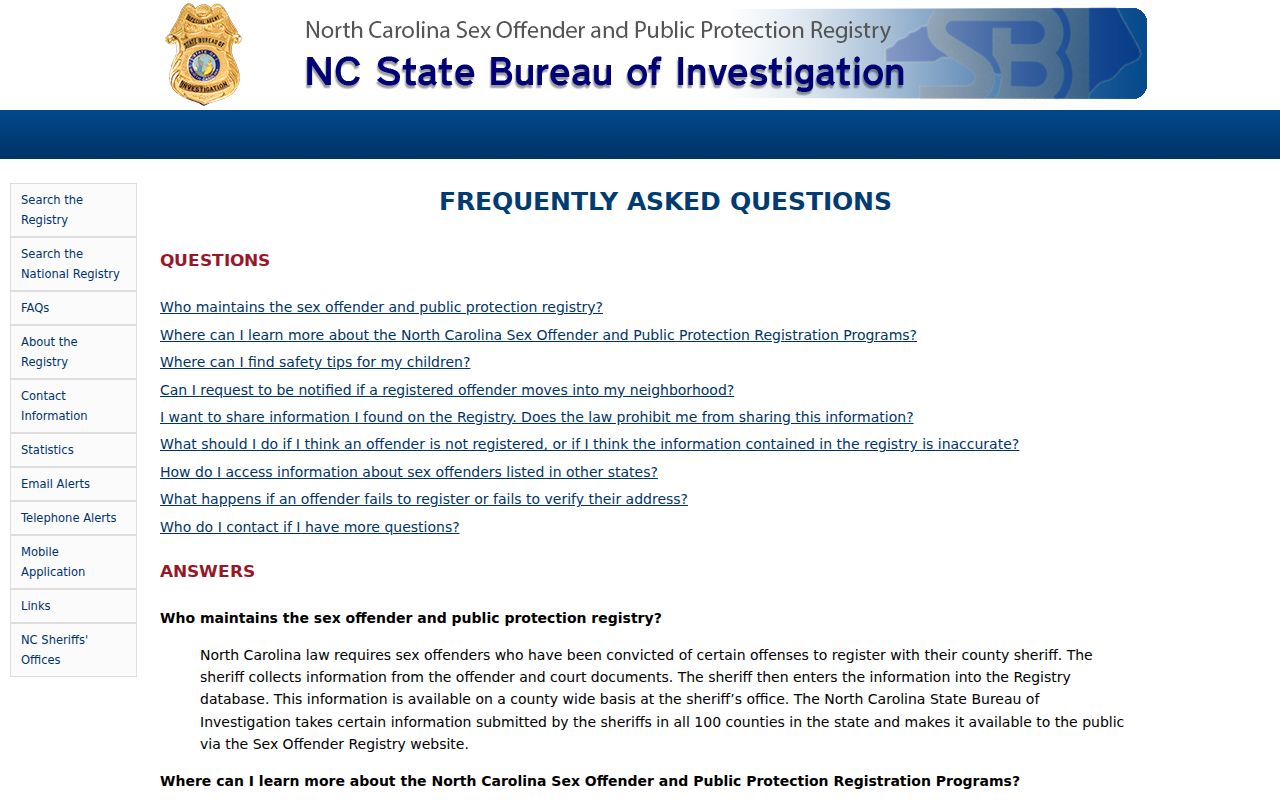
Its warning supports careful review before anyone acts on a Richmond County registry result.
Note: Contact the sheriff about a suspected data error or noncompliance and provide details instead of confronting the person shown.
Registration Levels and Duties in North Carolina
North Carolina does not chiefly present public records as a simple federal Tier I, II, and III display. Article 27A uses state categories, including a general statewide program and stricter classifications such as recidivist, aggravated offense, and sexually violent predator. Satellite-based monitoring is separate and should not be inferred from a public profile.
| State category | General duration | Public status |
|---|---|---|
| Standard reportable conviction | 30 years, with a possible petition after 10 years if statutory conditions are met | Public data authorized by Article 27A |
| Recidivist, aggravated-offense, or sexually violent predator categories | Lifetime | Category and duties follow statute and court findings |
| Certain juvenile adjudications | Controlled by the applicable law | Not an ordinary public website listing as the FAQ explains |
Registration generally occurs with the sheriff within three business days of establishing North Carolina residence or when the statutory presence trigger applies to a person arriving from elsewhere. Required changes must be reported on Article 27A timelines.
Note: North Carolina's public categories should not be relabeled as a simple consumer-facing Tier I, II, and III system.
Richmond Sheriff Registry Duties
The Richmond County Sheriff registers local people covered by Article 27A and investigates possible noncompliance. The county government directory and official sheriff directory entry provide verified local contact routes. NCSBI maintains the statewide database, conducts quality work, and mails weekly verification letters. Failure to register, report an address change, return verification, or submit truthful information can be a Class F felony under the registry framework described by NCSBI.
When an entry looks wrong, note the profile’s registration number, status, date, and the specific problem. Send that information to the sheriff through the official agency channel. Do not use a guessed email or confront the person. The official registry statistics page is also useful for aggregate context.
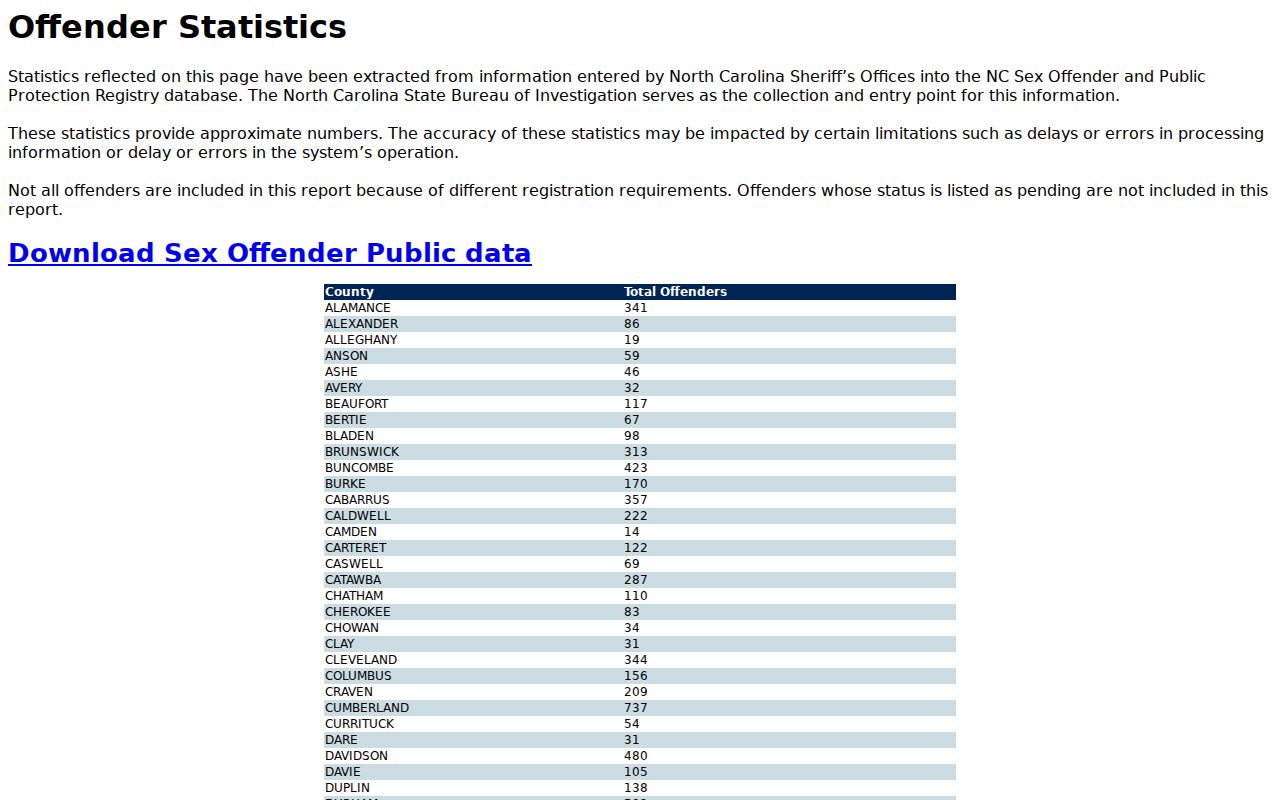
NCSBI labels counts approximate because processing delays and pending statuses can affect totals, so a snapshot is not a precise measure of risk.
Richmond Registry Searches Across State Lines
Richmond County sits near South Carolina, so a North Carolina-only result does not answer every cross-state question. The U.S. Department of Justice National Sex Offender Public Website federates public registry searches across jurisdictions. It is the appropriate extra layer when a name or place crosses the state line.
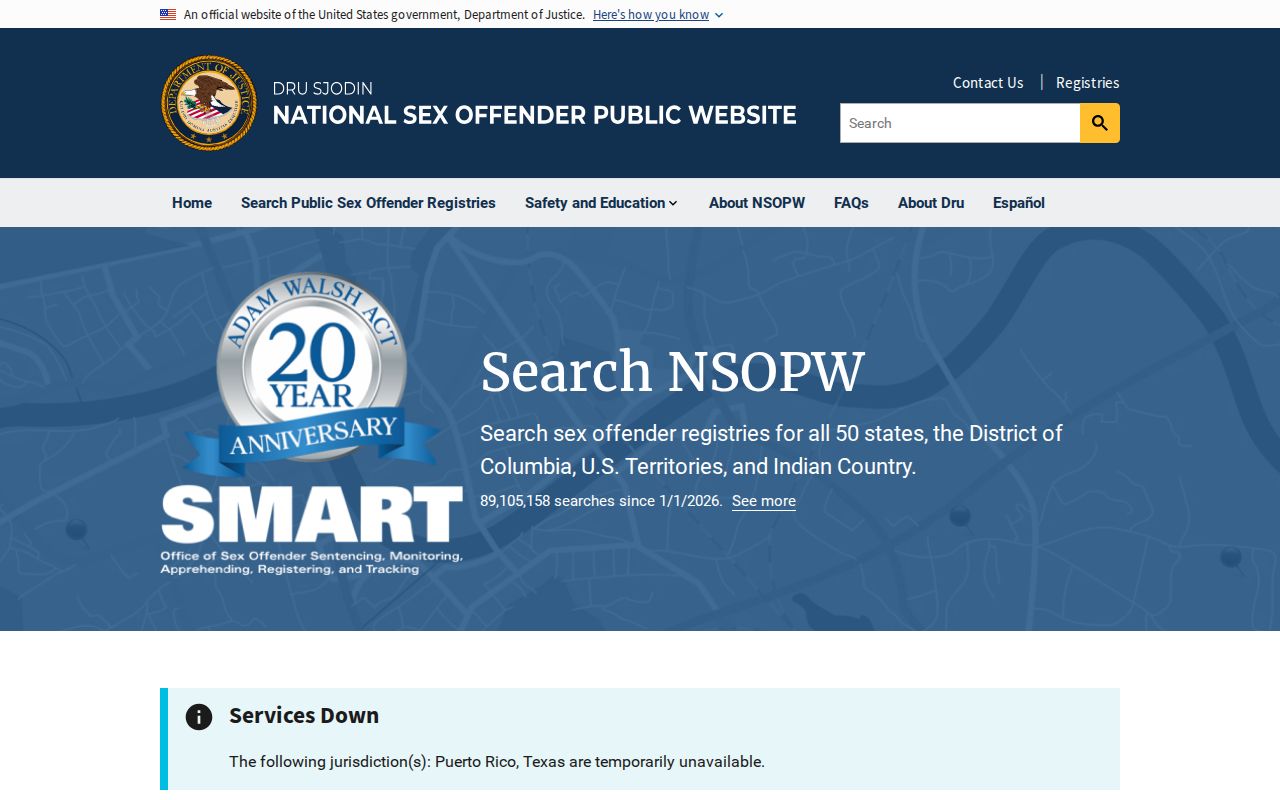
The national search broadens coverage, but the current North Carolina profile and Richmond County Sheriff remain the sources for local status or correction questions.
Search results can vary because each jurisdiction controls its own public data. Return to the source registry for the full profile, then use official contacts if a record appears stale or inconsistent.
Using Registry Information Lawfully
G.S. 14-208.10 defines public registry access. Public access supports awareness and sound safety planning, but it does not authorize threats, intimidation, stalking, harassment, or other crimes. NCSBI warns that misuse can lead to criminal prosecution.
Likewise, G.S. 14-208.16 contains status-specific premises and residency rules. A map pin alone does not decide whether a restriction applies. The relevant offense, status, place, and statutory terms matter.
Misuse is unlawful: Do not threaten, intimidate, stalk, harass, or confront anyone based on registry information. NCSBI warns that criminal prosecution may follow misuse.
Use Richmond County registry data to improve awareness, verify official details, subscribe to alerts, and report a concrete concern to the sheriff.